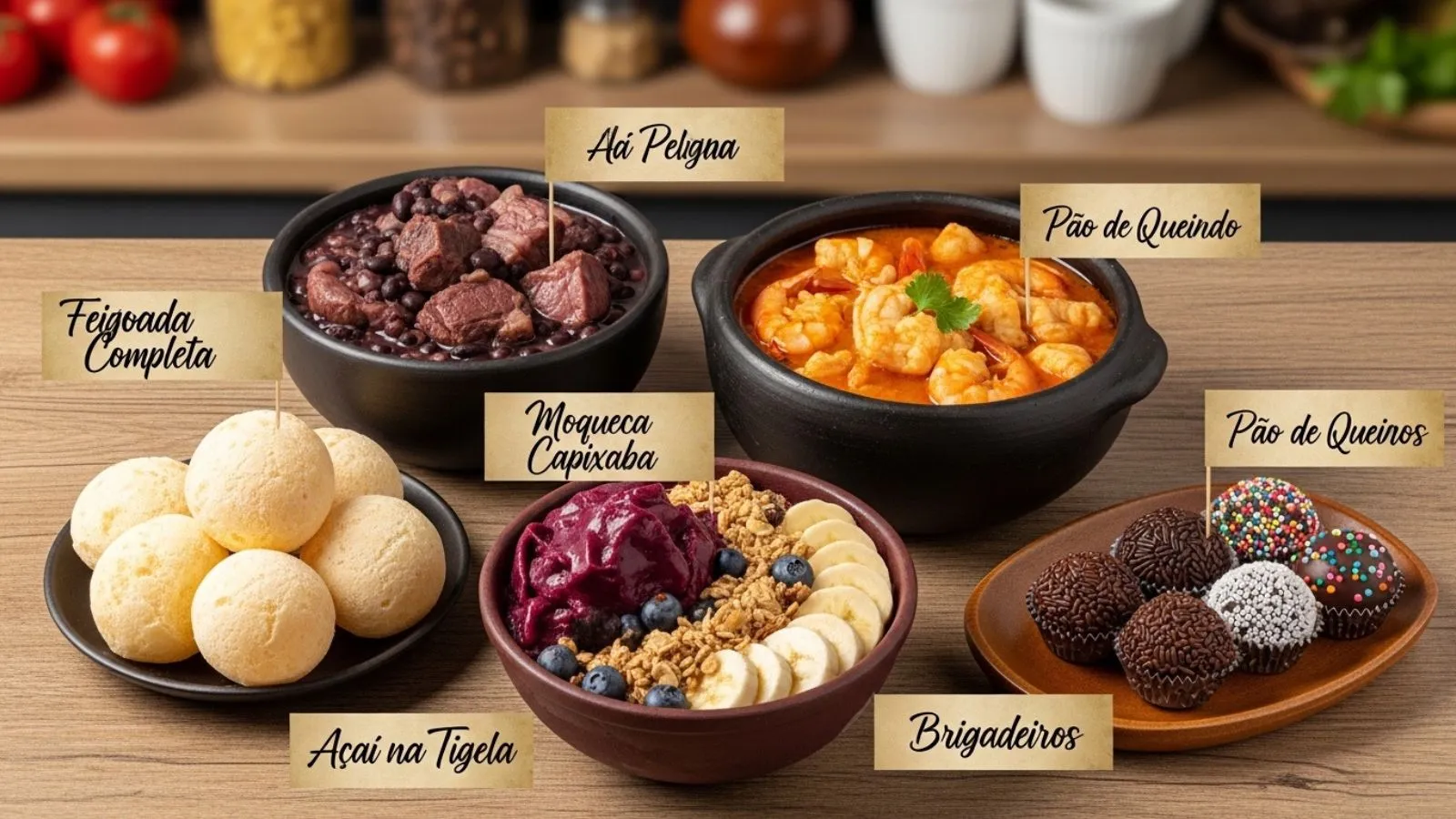
Hey, I want to share something that recently happened to me about Brazil Food Names. I was chatting with a friend when this term suddenly came up, and honestly, I had no idea what it meant at first.
I kept thinking, “Am I missing something here?” It was a bit confusing, and I didn’t want to respond in the wrong way.
So, I decided to look into Brazil Food Names to understand their meaning and context. After doing a little research, I realised how important it is to know these kinds of food-related terms, especially when they appear in conversations or on social media.
Once I understood it properly, everything made sense. I was able to respond confidently, and now I feel much more prepared whenever I see Brazil Food Names again in chats, posts, or discussions.
🍖 Classic Brazilian Food Names You Must Know
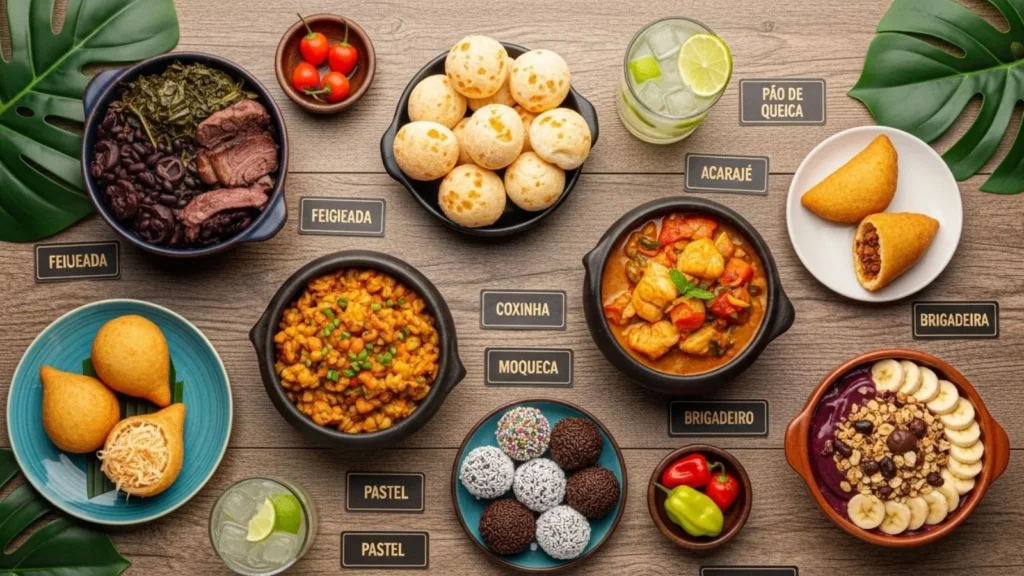
Brazil’s classic dishes are the heart and soul of its food culture. These are the names you will hear at family gatherings, street markets and local restaurants all over the country. Every Brazilian knows and loves these staples.
1. Feijoada Meaning: A rich black bean stew slow-cooked with pork sausage and beef. It is considered Brazil’s national dish.
2. Churrasco Meaning: A style of grilled meat usually beef chicken or lamb cooked over an open flame or charcoal. It is Brazil’s version of a barbecue.
3. Pão de Queijo Meaning: Small chewy cheese bread rolls made with tapioca flour. The name literally means “cheese bread.”
4. Moqueca Meaning: A creamy seafood stew made with coconut milk tomatoes and palm oil. It comes from the coastal regions of Brazil.
5. Farofa Meaning: Toasted cassava flour often mixed with butter bacon eggs or onion. It is served as a side dish with almost every meal.
6. Brigadeiro Meaning: A beloved chocolate truffle made from condensed milk cocoa powder and butter rolled in sprinkles. It is Brazil’s most famous sweet treat.
7. Acarajé Meaning: Deep-fried black-eyed pea fritters filled with shrimp and spicy sauce. It is a street food icon from the state of Bahia.
8. Coxinha Meaning: A teardrop-shaped fried snack filled with shredded chicken and cream cheese. The name means “little thigh.”
9. Vatapá Meaning: A thick creamy paste made from bread shrimp coconut milk peanuts and palm oil. It is often served inside acarajé.
10. Arroz e Feijão Meaning: Simply “rice and beans.” This combo is the daily staple of almost every Brazilian household.
🍰 Sweet Brazilian Food Names That Will Make You Smile 😊
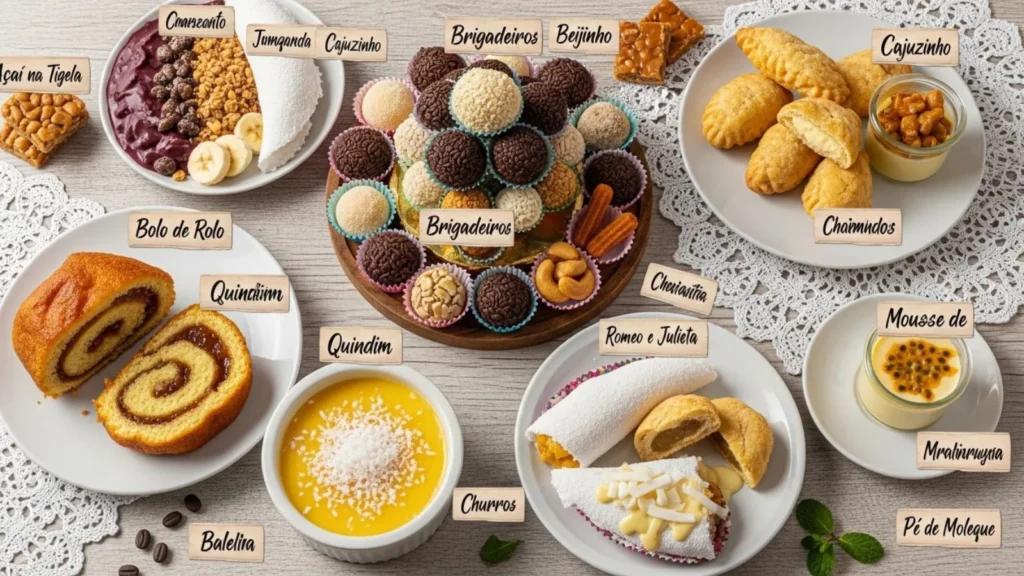
Brazilian desserts are pure joy. They are sweet, creamy and full of tropical flavors. These names are just as delightful as the treats themselves.
1. Brigadeiro Meaning: Chocolate truffle rolled in colorful sprinkles. Named after Brigadier Eduardo Gomes, a Brazilian political figure. It is the star of every birthday party.
2. Beijinho Meaning: Literally “little kiss.” A coconut version of brigadeiro rolled in sugar and topped with a clove. Soft, sweet and adorable.
3. Pudim Meaning: Brazilian-style flan made with condensed milk eggs and caramel. Smooth rich and absolutely irresistible.
4. Romeu e Julieta Meaning: “Romeo and Juliet.” A classic pairing of fresh white cheese (queijo) with goiabada (guava paste). The name reflects the sweet and salty love story on your plate.
5. Quindim Meaning: A bright yellow coconut and egg yolk custard tart. The name is said to come from an African word meaning “charm” or “allure.”
6. Cocada Meaning: A sweet coconut candy that comes in white brown or caramelized varieties. Common at Brazilian street fairs.
7. Paçoca Meaning: A crumbly peanut candy pressed into a small cylinder shape. Dry sweet and nutty perfect with coffee.
8. Bolo de Rolo Meaning: “Roll cake.” A thin rolled sponge cake filled with guava paste. A specialty of the northeastern state of Pernambuco.
9. Tapioca Meaning: A thin crepe made from cassava starch. Filled with sweet or savory fillings like chocolate coconut or cheese. Very popular for breakfast.
10. Canjica Meaning: A warm milky sweet corn porridge flavored with coconut milk sugar and cinnamon. A cozy dessert especially popular during the June festival season.
🌮 Funny & Quirky Brazilian Food Names 😂
Some Brazilian food names will make you laugh out loud. These dishes have names that are playful, unexpected or just plain funny but they taste absolutely amazing.
1. Bicho de Pé Meaning: Literally “foot bug” or “chigger.” It is actually a colorful layered jelly dessert that looks like tiny colorful bugs. Do not worry about zero bugs involved!
2. Olho de Sogra Meaning: “Mother-in-law’s eye.” A sweet made from coconut and prune that is round and stares right back at you. A classic joke on the Brazilian dessert table.
3. Língua de Vaca Meaning: “Cow’s tongue.” A sweet long cookie shaped like a tongue. Crispy and sugary, not an actual cow’s tongue!
4. Pé de Moleque Meaning: “Street kid’s foot.” A crunchy peanut brittle with an irregular bumpy shape. The name jokes that it looks like a rough bare foot.
5. Arroz de Forno Meaning: “Oven rice.” Baked rice casserole stuffed with cheese chicken and tomato sauce. Simple name, fantastic taste.
6. Macarrão de Pobre Meaning: “Poor man’s pasta.” A budget-friendly spaghetti dish made with hot dog slices and tomato sauce. Brazilians love it unironically.
7. Frango com Quiabo Meaning: “Chicken with okra.” It sounds simple but this dish from Minas Gerais has a slimy reputation that surprises many first-timers.
8. Tatu Assado Meaning: “Roasted armadillo.” Yes this is a real dish eaten in some rural parts of Brazil. A very wild food adventure!
9. Galinhada Meaning: “Chicken party.” A festive one-pot rice and chicken dish cooked with saffron and vegetables. The name suggests a big fun gathering.
10. Xinxim de Galinha Meaning: A chicken stew made with shrimp, peanuts , cashews and palm oil. The name (pronounced “sheen-sheem”) is fun to say and even more fun to eat.
🌿 Unique Brazilian Food Names From the Amazon
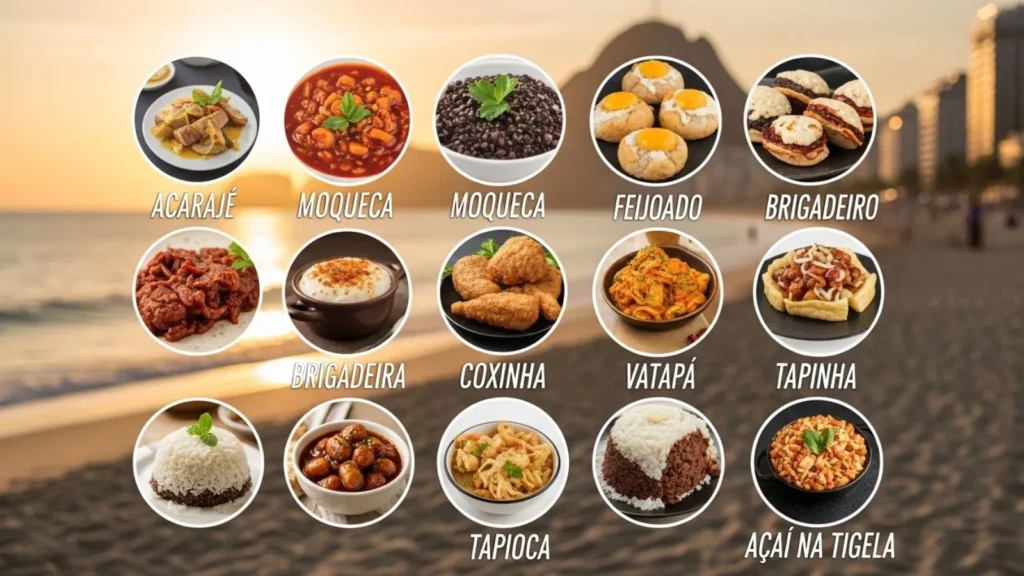
Brazil’s Amazon region produces ingredients and dishes that are unlike anything else in the world. These food names are as rare and fascinating as the rainforest itself.
1. Tacacá Meaning: A hot Amazonian broth made from tucupi (a yellow liquid from wild manioc) dried shrimp and jambu leaves that make your lips tingle.
2. Tucumã Meaning: A small orange Amazonian fruit with a rich creamy flavor. Often used in sandwiches and acai bowls in the Amazonas state.
3. Jambu Meaning: An herb from the Amazon that causes a tingling numbing feeling in your mouth. Used in tacacá and local drinks for a very unique sensation.
4. Mapará Meaning: A river fish found in the Amazon often grilled or cooked in a spicy broth. Very popular in riverside communities.
5. Castanha do Pará Meaning: “Pará nut” what the rest of the world calls the Brazil nut. Rich, creamy and packed with nutrients.
6. Cupuaçu Meaning: A tropical fruit related to cacao with a rich custardy pulp. Used in juices, chocolates and ice cream.
7. Açaí Meaning: A dark purple berry from the açaí palm tree packed with antioxidants. Eaten as a thick frozen bowl topped with granola and banana.
8. Tambaqui Meaning: A large meaty Amazon river fish. Often grilled whole and seasoned with lime and peppers. A prized catch in the region.
9. Mugunzá Meaning: A warm corn porridge similar to canjica but made with whole corn kernels. Popular in the northeast and common during June festivals.
10. Guaraná Meaning: A small red berry from the Amazon used to make one of Brazil’s most beloved soft drinks. The fruit is also called “the eyes of the jungle.”
🎉 Festive Brazilian Food Names for Special Occasions
Brazilian celebrations are not complete without certain iconic foods. These names carry traditional joy and a whole lot of flavor.
1. Rabanada Meaning: Brazilian French toast. Thick slices of bread soaked in egg and milk fried and dusted with sugar and cinnamon. A Christmas classic.
2. Ceia de Natal Meaning: “Christmas Eve dinner.” Not a single dish but the whole holiday spread including turkey farofa rabanada and rice.
3. Bolo de Aniversário Meaning: “Birthday cake.” Every Brazilian birthday has one usually layered with condensed milk cream and topped with chocolate ganache.
4. Peixe Assado de Páscoa Meaning: “Easter roasted fish.” Fish dishes are eaten across Brazil during Holy Week as a tradition.
5. Mungunzá de Festa Junina Meaning: “June Festival corn porridge.” This sweet dish is served specifically during the June festivals (Festa Junina) celebrating rural Brazilian culture.
6. Pamonha Meaning: A corn paste cooked inside a corn husk is either sweet or savory. A staple of June festivals and roadside food stalls.
7. Curau Meaning: A creamy corn pudding dusted with cinnamon. Soft, sweet and deeply comforting, often eaten at Festa Junina.
8. Caldo de Cana Meaning: “Sugarcane juice.” Fresh-pressed and served cold, this is the drink of Brazilian street markets and festivals.
9. Quentão Meaning: “Hot and strong.” A warm spiced wine or cachaça drink served at June festivals to warm up cool winter nights.
10. Roscas de Natal Meaning: “Christmas rings.” Sweet ring-shaped breads decorated with colorful glazed fruits and eaten during the holiday season.
🥤 Famous Brazilian Drink Names You Should Know
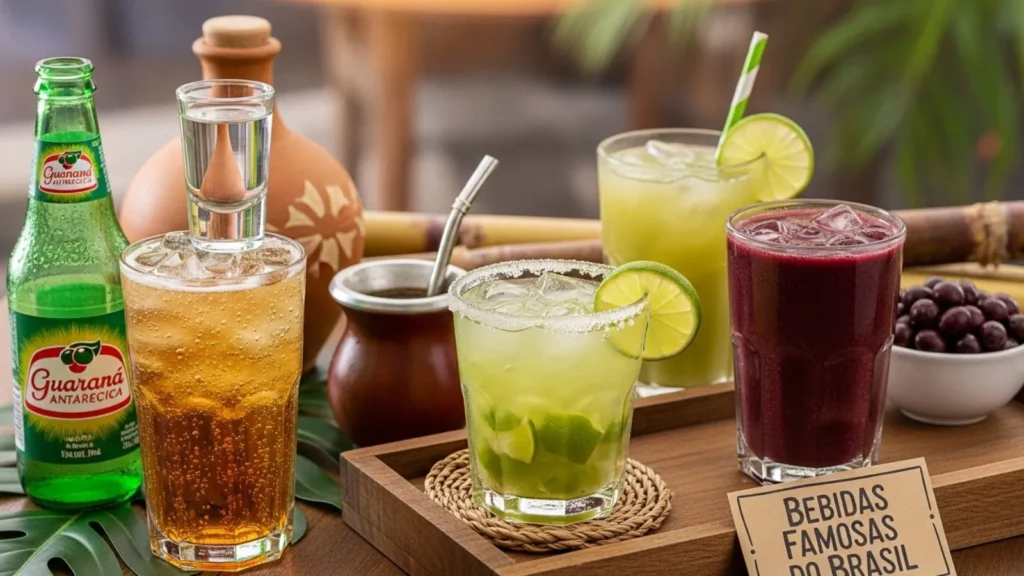
Brazil has a drink for every mood. From fresh tropical juices to world-famous cocktails these names are worth knowing before your next Brazilian adventure.
1. Caipirinha Meaning: Brazil’s national cocktail made with cachaça (sugarcane spirit) lime sugar and ice. The name roughly means “little hillbilly.”
2. Cachaça Meaning: A Brazilian spirit distilled from fermented sugarcane juice. The base of the caipirinha and many other cocktails.
3. Suco de Maracujá Meaning: “Passion fruit juice.” One of the most popular fresh juices in Brazil, sweet , tangy and incredibly refreshing.
4. Vitamina Meaning: A thick Brazilian smoothie made with fruit and milk. Not a vitamin pill, a delicious blended drink!
5. Guaraná Antarctica Meaning: Brazil’s most iconic soft drink made from the Amazonian guaraná berry. Sweeter than cola with a unique berry taste.
6. Leite de Coco Meaning: “Coconut milk.” Used in cooking and drinks all over Brazil especially in northeastern and Amazonian cuisine.
7. Água de Coco Meaning: “Coconut water.” Served straight from a green coconut with a straw. The ultimate natural refreshment on a hot Brazilian beach.
8. Mate Gelado Meaning: “Iced mate tea.” A chilled herbal tea that is sold by vendors walking the beaches of Rio de Janeiro. Refreshing and earthy.
9. Suco de Açaí Meaning: “Açaí juice.” A thick dark and powerful juice made from blended açaí berries. Energizing and antioxidant-rich.
10. Chopp Meaning: Draft beer served ice-cold and frothy. A beloved Brazilian pastime especially at a boteco (local bar) on a warm evening.
🏖️ Brazilian Street Food Names That Are Iconic
Brazilian street food is bold, flavorful and often served right out of a cart or frying pan. These names are famous across every city and town.
1. Coxinha Meaning: “Little thigh.” A fried dough pocket shaped like a chicken drumstick stuffed with seasoned shredded chicken. The most beloved Brazilian street snack.
2. Esfiha Meaning: A small open-faced meat pie brought by Lebanese immigrants and fully adopted into Brazilian street food culture. Found at every bakery.
3. Pastel Meaning: A thin crispy fried pastry filled with cheese meat or heart of palm. A staple at Brazilian farmers markets and street fairs.
4. Churros Meaning: Fried dough sticks dusted with sugar and cinnamon often filled with dulce de leche or chocolate. A street fair must-eat.
5. Milho Verde Meaning: “Green corn.” Boiled or grilled corn on the cob served with butter and salt. A simple but deeply satisfying street snack.
6. Tapioca de Rua Meaning: “Street tapioca.” A hot fresh tapioca crepe made on a griddle and stuffed with savory or sweet fillings. Ultra-popular in northeastern Brazil.
7. Bolinho de Bacalhau Meaning: “Little codfish ball.” Crispy fried cod fritters brought by Portuguese influence. Found at bars and street stalls everywhere.
8. Kibe Meaning: A Middle Eastern-inspired fried bulgur and ground beef shell. Brought by Syrian and Lebanese immigrants now a fully Brazilian street food staple.
9. Pão na Chapa Meaning: “Grilled bread.” A toasted buttered bun pressed flat on a hot griddle. The simplest and most satisfying morning snack at any padaria (bakery).
10. Açaí na Tigela Meaning: “Açaí in a bowl.” Frozen blended açaí served thick in a bowl with banana granola and honey. Brazil’s most famous health snack and a beach favorite.
🧀 Brazilian Cheese & Bread Names Worth Knowing
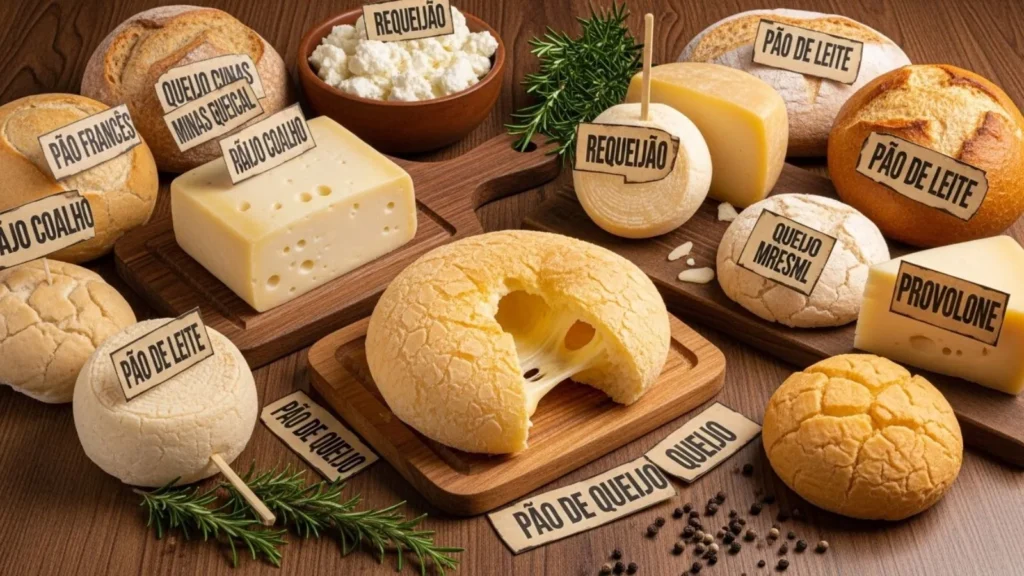
Brazil has an incredible tradition of cheese breads and baked goods that are completely unique to the country. These names tell the story of comfort food at its finest.
1. Pão de Queijo Meaning: “Cheese bread.” Small chewy golden balls made with tapioca starch and queijo minas cheese. Eaten for breakfast all over Brazil.
2. Chipa Meaning: A similar cheese bread found in the border regions between Brazil and Paraguay. Slightly denser and crunchier than pão de queijo.
3. Queijo Minas Meaning: “Minas cheese.” A soft fresh white cheese from the state of Minas Gerais. Eaten plain with guava paste or melted on bread.
4. Broa de Milho Meaning: “Corn bread.” A dense, slightly sweet cornmeal bread with Portuguese roots. Very popular in southern and southeastern Brazil.
5. Pão Francês Meaning: “French bread.” Brazil’s everyday bread rolls are crispy on the outside and soft inside. The foundation of breakfast at every padaria.
6. Formiga no Pau Meaning: “Ants on a stick.” A fun name for a bread roll stuffed with chouriço or olives. The black bits inside look like little ants!
7. Sonho Meaning: “Dream.” A fluffy Brazilian doughnut filled with custard cream or dulce de leche. The name says it all, it tastes like a dream.
8. Cuca Meaning: A German-influenced crumb cake brought by immigrants to southern Brazil. Topped with streusel and often flavored with banana or guava.
9. Rosca de Padaria Meaning: “Bakery ring bread.” A soft slightly sweet ring-shaped bread often topped with sugar or cheese. A morning staple.
10. Biscoito de Polvilho Meaning: “Tapioca biscuit.” A light airy slightly sour cracker made from tapioca starch. Crunchy, addictive and completely gluten-free.
🌶️ Spicy & Savory Brazilian Food Names for Bold Eaters
Not all Brazilian food is sweet! There is a whole world of bold savory and spicy dishes that food lovers must explore. These names pack real heat and flavor.
1. Pimenta Malagueta Meaning: A small fiery red chili pepper native to Brazil. The most commonly used hot pepper in Brazilian cooking. Small but extremely powerful.
2. Moqueca Baiana Meaning: The Bahian version of the seafood stew made richer and spicier with dendê (palm oil) and extra chili. Considered the more intense version of moqueca.
3. Baião de Dois Meaning: “Two-step dance.” A hearty dish of rice and beans cooked together with dried meat cheese and coriander. From the northeastern state of Ceará.
4. Buchada de Bode Meaning: “Goat stuffing.” A dish made by stuffing a goat’s stomach with its own organs. A bold and traditional dish from northeastern Brazil.
5. Sarapatel Meaning: A spicy stew made from pork blood and offal seasoned heavily with vinegar and peppers. A Bahian and northeastern specialty with African roots.
6. Dobradinha Meaning: A tripe stew cooked slowly with white beans and smoked sausage. Rich, hearty and deeply flavorful.
7. Carne de Sol Meaning: “Sun-dried meat.” Salt-cured beef dried under the sun and then grilled or pan-fried. A beloved northeastern Brazilian staple.
8. Frango ao Molho Pardo Meaning: “Chicken in dark sauce.” A rustic chicken dish cooked in its own blood as a thickener. A traditional dish from Minas Gerais.
9. Mocotó Meaning: A thick gelatinous stew made from cow’s feet and white beans. A hearty working-class dish from northeastern and southeastern Brazil.
10. Paçoca de Carne Meaning: Not the peanut candy this is a northeastern version made from sun-dried meat pounded with flour and onion. Savory dry and full of flavor.
🌴 Romantic Brazilian Food Names for Date Night

Brazilian food is sensual, warm and deeply connected to emotion. Some food names in Brazil just sound romantic, perfect for a special evening.
1. Romeu e Julieta Meaning: “Romeo and Juliet.” Cheese paired with guava paste in a classic sweet-and-salty combination. Named for two lovers who were meant to be together.
2. Beijo de Moça Meaning: “Girl’s kiss.” A delicate coconut and condensed milk sweet that melts in your mouth. Soft, sweet and unforgettable.
3. Suspiro Meaning: “Sigh.” A light airy meringue cookie that dissolves on your tongue. The name perfectly captures how it makes you feel.
4. Sonho de Valsa Meaning: “Waltz dream.” A famous Brazilian chocolate bonbon filled with a praline wafer. Dreamy, romantic and completely iconic.
5. Amor em Pedaços Meaning: “Love in pieces.” A layered dessert cake with dulce de leche cream and crunchy pieces. Rich and indulgent just like love!
6. Beijo de Negro Meaning: “Dark kiss.” A deep chocolate truffle version of the traditional beijinho. Intense dark and irresistibly sweet.
7. Doce de Leite Meaning: “Milk sweet” or dulce de leche. A slow-cooked golden caramel spread made from milk and sugar. Pure melting sweetness.
8. Flor de Maracujá Meaning: “Passion flower.” A passion fruit mousse dessert that is as beautiful as it sounds. Light tangy and elegant.
9. Creme de Papaya Meaning: “Papaya cream.” A simple but stunning dessert of blended frozen papaya with vanilla ice cream and cassis liqueur. A Brazilian restaurant classic.
10. Mousse de Chocolate Meaning: “Chocolate mousse.” Brazil’s most popular dessert at romantic restaurants is light airy and deeply chocolatey.
❓ Frequently Asked Questions (FAQs)
Q1: What is the most famous Brazilian food?
Feijoada is widely considered Brazil’s national dish, a slow-cooked black bean and pork stew served with rice farofa and orange slices.
Q2: What is the most popular Brazilian street food?
Coxinha is arguably the most popular street food in Brazil. It is a fried chicken-filled dough snack shaped like a teardrop that you can find at every bakery and market.
Q3: What does “brigadeiro” mean?
Brigadeiro means “brigadier” ; it is named after Brigadier Eduardo Gomes. The chocolate truffle sweet was created in his honor during a 1945 political campaign.
Q4: Is Brazilian food spicy? Brazilian food is flavorful and aromatic but not always spicy. Spice is common in Bahian and northeastern dishes but most Brazilian food is more savory and rich than hot.
Q5: What is acai in Brazil?
Açaí in Brazil is a thick frozen bowl made from blended açaí berries. It is topped with banana granola and honey. It is eaten as a meal or snack especially at the beach.
Q6: What are typical Brazilian breakfast foods?
A typical Brazilian breakfast includes pão francês (fresh bread roll) butter ham cheese eggs fresh fruit and coffee with warm milk.
Q7: What is the Brazilian national drink?
The caipirinha is Brazil’s national cocktail made with cachaça lime sugar and ice. It is the most recognized Brazilian drink in the world.
✅ Conclusion
Brazil’s food names are as vibrant, diverse and exciting as the country itself. From the smoky drama of Churriguera to the sweet romance of Rome e Juliet from the funky humour of oho de sonogram to the wild mystery of Atacama every name tells a story.
You have now explored classic staples Amazonian wonders festive treats street snacks spicy adventures romantic indulgences and everything in between.
If you are visiting Brazil, exploring a Brazilian restaurant in your city or simply satisfying your curiosity about South American cuisine, knowing these food names gives you a real edge and a lot more appetite!
Pick your favorites, share them with friends and let Brazilian food bring a little tropical joy into your life. Bom appetite.
Continue Reading:
- 120+ Wine Bottle Sizes Names: Complete Guide for Beginners for 2026 🍷
- 142+ Eggplant Names You Can Use for Cooking & Fun for 2026
- 151+ Amazing Long Fruit Names With Meanings Explained for 2026 🍉